Japan vs Korea for Cultural Travel
Japan and South Korea both offer rich cultural experiences, cutting-edge technology, delicious cuisine, and fascinating history. If you’re torn between these two incredible destinations, here’s how they compare for cultural travellers.
Cultural Heritage
Japan offers a more extensive array of UNESCO World Heritage sites, including ancient temples, castles, and shrines. From Kyoto’s Golden Pavilion to Nara’s deer-filled temple grounds, Japan’s cultural sites are world-famous and immaculately preserved. The country’s traditional arts, such as tea ceremonies, ikebana, and geisha culture, remain deeply woven into modern life.
Korea’s cultural heritage is equally fascinating but less familiar to Western travellers. The palaces of Seoul, traditional hanok villages, and centuries-old temples offer authentic glimpses into Korean history. Korean cultural experiences like temple stays, hanbok wearing, and traditional tea ceremonies provide intimate encounters with local customs.
Modern Culture
Both countries excel at blending ancient traditions with futuristic innovation. Japan’s pop culture exports like anime, manga, and gaming are globally recognised. Tokyo’s neon-lit streets and themed cafés epitomise quirky modern Japanese culture.
Korea has experienced a cultural renaissance in recent years, with K-pop, K-dramas, and Korean cinema taking the world by storm. Seoul pulses with trendy cafés, fashion-forward neighbourhoods, and a nightlife scene that rivals any global city.
Food and Dining
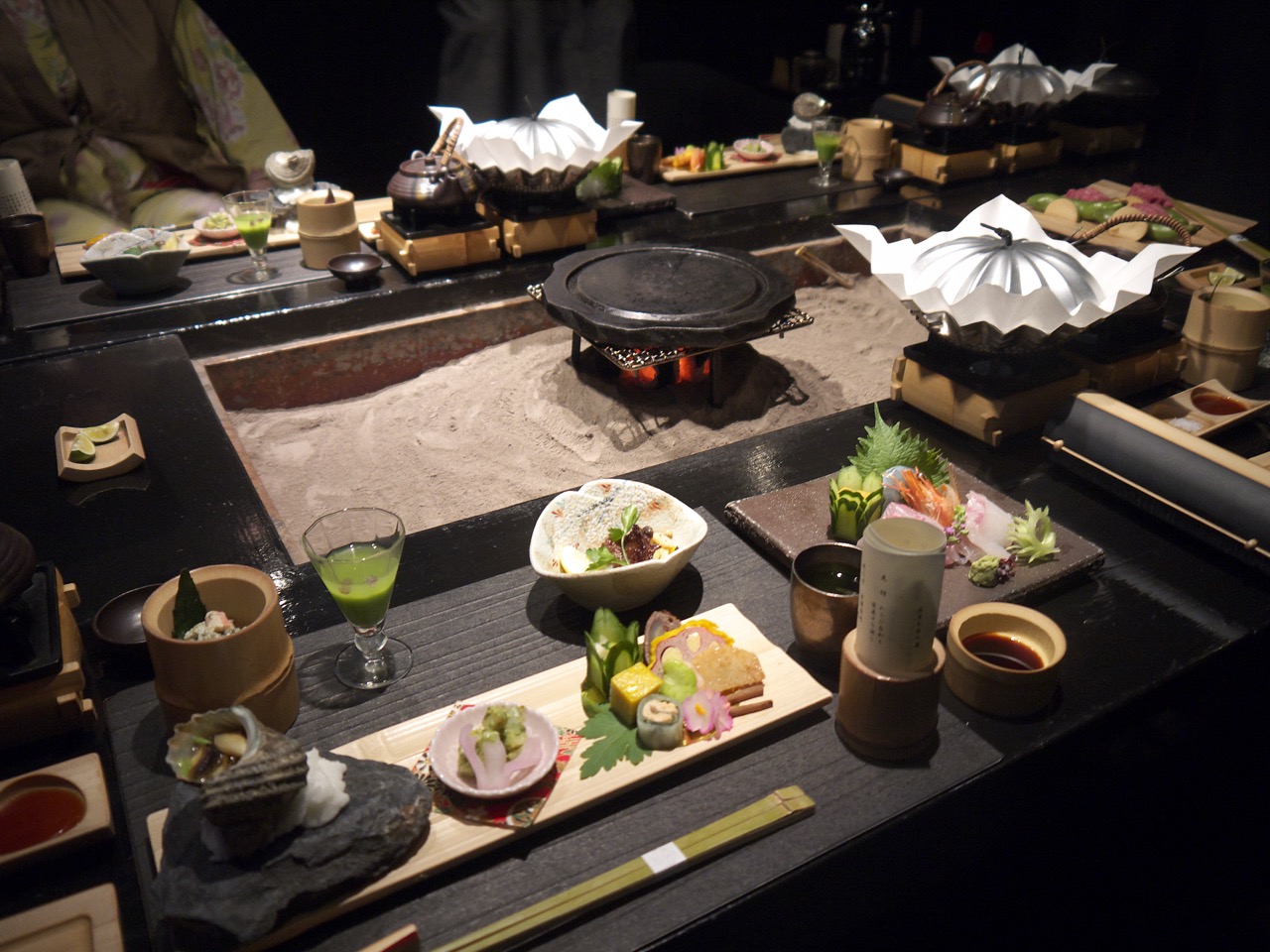
Japanese cuisine needs little introduction. From sushi and ramen to kaiseki dining and street food, Japan offers an extraordinary culinary journey. The attention to detail and presentation is unmatched.
Korean food is bolder and spicier, with communal dining at its heart. Korean BBQ, bibimbap, and the endless varieties of kimchi create a flavourful adventure. The banchan (side dishes) culture and communal eating style make dining in Korea a social, interactive experience.
Accessibility and Language
Japan has better English signage and more English-speaking locals in tourist areas, making it slightly easier for first-time visitors to Asia. Korea is catching up quickly, and both countries have excellent public transport systems.
The Verdict
Choose Japan if you want a more extensive range of well-known cultural sites, easier navigation for first-time Asia travellers, and diverse regional experiences from snow monkeys in Nagano to tropical beaches in Okinawa.
Choose Korea if you’re interested in experiencing Asia’s hottest contemporary culture, prefer spicy and communal dining, want better value for money, and enjoy destinations that feel less touristy.
Both countries reward cultural travellers magnificently. For a first trip to Asia, Japan’s infrastructure and familiarity might edge it ahead, but Korea offers an equally rich experience with a more undiscovered feel.